Ithaca City of Asylum
Providing refuge for persecuted writers and artists since 2001
The Fierce Urgency of Now: Samarasinghe is Keynote Speaker
Sonali Samarasinghe provided the keynote speech for Ithaca’s Martin Luther King Jr. Day of Celebration on January 21, 2013. During her talk she spoke about how she had to flee her native Sri Lanka with only a few belongings, one of which was the book her father gave her, What Manner of Man, a biography of Dr. King.”My presence here is a testament to the inspiration (King’s) life has been, not only to Americans but to the entire world,” said Samarasinghe.
The day’s events focused on “The Fierce Urgency of Now,” and included a morning workshop provided by the Dorothy Cotton Institute’s 2012 delegation of civil and human rights leaders. They discussed their recent visit to the West Bank and what they saw and learned there after meeting with Palestinians engaged in non-violent resistance.
In addition to Samarasinghe’s speech, the luncheon also featured performances by Vitamin L who sang two songs from their new CD entitled Sing for Dr. King!. Cal Walker and John Simon also performed. The day concluded with a live viewing of the 2013 presidential inauguration.

The title of the day’s events, “The Fierce Urgency of Now,” comes from Martin Luther King Jr.’s famous “I have a Dream” speech that he delivered on August 28, 1963 at the Lincoln Memorial in Washington, D.C.:
“We have also come to this hallowed spot to remind America of the fierce urgency of Now. This is no time to engage in the luxury of cooling off or to take the tranquilizing drug of gradualism. Now is the time to make real the promises of democracy.”
The full text of King’s speech, including an audio file, is available online.
A local newspaper report on Samarasinghe’s talk is available here.
European Court of Human Rights Vindicates Kakabadze
On October 2, 2012, the European Court of Human Rights (ECHR) awarded monetary recompense to Irakli Kakabadze, former Ithaca City of Asylum writer in residence, and others who filed suit against the Republic of Georgia after being detained during a demonstration in 2006. In the case of Kakabadze & others v Georgia (No. 1484/07) the European Court of Human Rights found Georgia to have violated the applicants’ right to liberty, fair trial, and freedom of assembly.
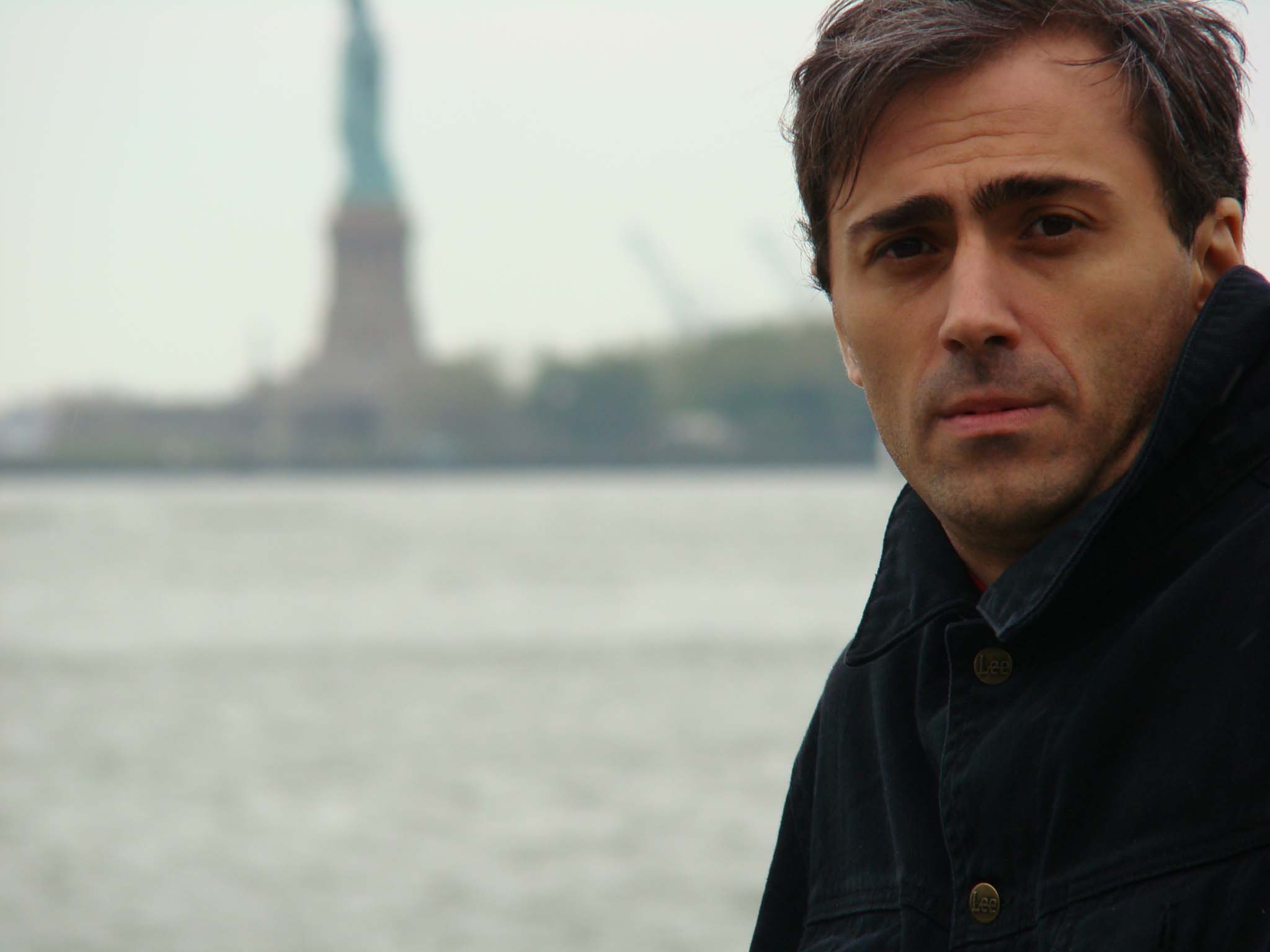
Irakli Kakabadze
Kakabadze and his fellow defendants attended the 2006 demonstration in support of the “Equality Institute,” a group that monitors the penal and law-enforcement authorities and promotes the independence of the judiciary in Georgia. Demonstrators chanted slogans such as “we should not have political prisoners in Gerogia.” Court bailiffs forcibly restrained and arrested demonstrators for “breaching public order,” for “contempt of court, insults,” and “disregard of the bailiffs’ lawful orders to stop wrongdoing.” The president of the Tbilisi Court of Appeal sentenced them to thirty days detention.
The ECHR disagreed with the Georgian government’s insistence that the detention was appropriate for the crime committed. The court found that the arrests and sentencing violated the applicants’ right to liberty (Article 5) of the European Convention and agreed that the applicants’ freedom of expression and right of appeal in criminal matters (Articles 11 and 2) were also breached. The Court awarded the applicants 3,000 EUR each in damages. Kakabadze and his fellow demonstrators were represented before the court by the European Human Rights Advocacy Centre (EHRAC), based at London Metropolitan University, and the Georgian Young Lawyers Association. For more details see the full release provided by EHRAC on our press page.
Kakabadze sought asylum in the U.S. from the Georgian government in 2007 after receiving death threats following an editorial he published criticizing the government’s persecution of its citizens. He was Ithaca City of Asylum’s writer in residence from 2008 through 2011.
-Theresa Mendez
When They Came for Us: Freedom to Write in Sri Lanka
“… when you are compelled to leave your … family, your work, your country, and your life as you knew it, that’s when you realize you cannot give up. You have to do more, you have to speak louder, write bolder. And now, it’s personal.” ~Sonali Samarasinghe
“When They Came for Us: Freedom to Write in Sri Lanka,” was the title of Sonali Samarasinghe’s talk at Ithaca City of Asylum’s 2012 Voices of Freedom event at the Tompkins County Public Library on Sunday, September 30. Samarasinghe is an award-winning journalist and human rights activist who had to flee her home country of Sri Lanka after her husband was assassinated and she and her household were threatened. During Voices of Freedom, Samarasinghe read excerpts from selected works, including her article “When They Came for Us” and her letters to the president of Sri Lanka.
In Sri Lanka Samarasinghe was the editor-in-chief of the Morning Leader, a mid week national newspaper, and the consultant editor of The Sunday Leader. She has been recognized nationally and internationally for her journalism and human rights work, including awards from Amnesty International, the NGO Initiatives of Change, the International Federation of Journalists, and the Global Investigative Journalism Conference. Samarasinghe received the 2009 Oxfam/PEN Award for Freedom of Expression in recognition of her work in covering human rights and freedom of the press and was also presented with the Award for Print and Digital Journalism by the organization Images of Voice and Hope, after the launch of her website, LankaStandard.com. She created the website in May 2011 after arriving in the United States, and it quickly gained credibility as a reliable and balanced news source, devoted to truthful coverage of events in Sri Lanka and to freedom of the media in that country. To learn more about Samarasinghe, a film about her work is available for viewing on the Human Rights Watch Film Festival website.
Samarasinghe, Ithaca City of Asylum’s fifth writer-in-residence, is a visiting scholar in residence within the Honors Program in the School of Humanities and Sciences at Ithaca College. During her stay in Tompkins County, she will teach at Ithaca College and continue work on a book that details the recent history of media and the government in Sri Lanka.
One of only four cities of asylum in the United States, Ithaca City of Asylum (ICOA) is a community organization that works closely with Ithaca College, Wells College, and Cornell University to provide sanctuary to writers whose works are suppressed, whose lives are threatened, whose cultures are vanishing, or whose languages are endangered.
Voices of Freedom is an annual event as part of Freedom to Read Week and is sponsored by ICOA in partnership with the Tompkins County Public Library. Additional support for this event was provided by Amnesty International Group #73 in Ithaca, Gimme Coffee, Mia Restaurant, Taste of Thai, Vista Periodista, Wegmans, Wells Dining and the Inns of Aurora, Wells College, and ZaZa’s Cucina Restaurant. ICOA, affiliated with the Center for Transformative Action, is also appreciative of Ithaca College’s major support of our mission.
ICOA’s Fifth Writer-in-residence: Sonali Samarasinghe
Ithaca City of Asylum (ICOA) is proud to announce that its writer-in-residence for 2012–14 is the human rights activist and award-winning journalist Sonali Samarasinghe.
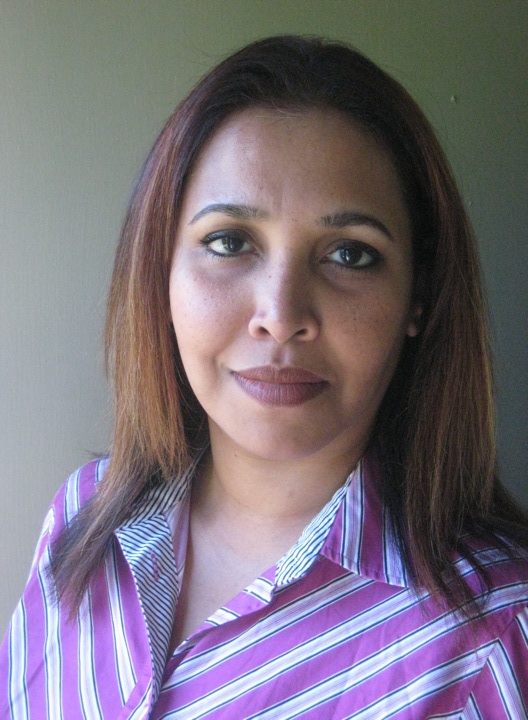
Sonali Samarasinghe
(© Barbara Adams 2012)
While practicing law in Sri Lanka, Samarasinghe worked as an editor and journalist focusing on government corruption and human rights. She left Sri Lanka with other members of her family in 2009 when her husband, Lasantha Wickrematunge, a high-profile attorney, publisher, and activist for freedom of the press, was assassinated and her household was threatened. Since coming to the United States, she has established The Lanka Standard (http://www.lankastandard.com), a website devoted to truthful coverage of events in Sri Lanka and to freedom of the media in that country.
ICOA is a community organization that works closely with Ithaca College, Wells College, and Cornell University to provide sanctuary to writers whose works are suppressed, whose lives are threatened, whose cultures are vanishing, or whose languages are endangered. Ithaca College is providing primary support for Samarasinghe’s residency and has appointed her Visiting Scholar in Residence within the Honors Program in the School of Humanities and Sciences. During her stay in Ithaca, she will teach at the college and continue work on a book that details the recent history of the media and the government in Sri Lanka. To learn more about Samarasinghe, a film about her work is available for viewing on the Human Rights Watch Film Festival website.
Sonali Samarasinghe is the fifth writer to be supported by Ithaca City of Asylum. Formed as part of an international network of cities of refuge, ICOA includes in its membership individuals from Ithaca and the surrounding communities and area colleges. The group welcomed its first resident writer, poet and essayist Yi Ping (China) in 2001; its second, playwright and novelist Reza Daneshvar (Iran) in 2004; its third, poet and memoirist Sarah Mkhonza (Swaziland) in 2006; and its fourth, poet and playwright Irakli Kakabadze (Georgia) in 2008.
Samarasinghe will meet members of the Ithaca community in September when she will be the featured speaker at Voices of Freedom, an annual event sponsored by ICOA and the Tompkins County Public Library to celebrate Freedom to Read Week. Voices of Freedom will take place at the library in Ithaca, September 30, 2:00 p.m., in the Borg Warner Community Room.
New Officers for ICOA’s Board
Ithaca City of Asylum (ICOA) has elected four new officers for its board of directors. For the 2012-2013 year Dan Renfrow will serve as chair of the board, with Bridget Meeds as vice chair, Kathleen Gemmell as secretary, and David Guaspari as treasurer. “Ithaca City of Asylum provides sanctuary for writers who are persecuted because of their writing and activism. While our focus is supporting writers, our work is fundamentally a social justice project.” said Renfrow, the new chair of ICOA’s board and a professor of sociology at Wells College. “As a sociologist, I believe this is important work.”
ICOA is a local organization that provides sanctuary to writers whose works are suppressed, whole lives are threatened, whose cultures are vanishing, or whose languages are endangered. Part of its purpose is to serve as a bridge to the community, assisting writers in residence and their families in meeting the challenges of a new environment while encouraging their creative output. ICOA welcomed its first writer in 2001 and is about to introduce a fifth writer to the Ithaca community.
Part of an international network of cities of refuge, ICOA is one of only four cities of asylum in the United States. ICOA is a project of the Center for Transformative Action, a non-profit organization affiliated with Cornell University, and works in partnership with Cornell University, Ithaca College, and Wells College.
ICOA Participated in Arcades Project’s “The Poem of Display”
ICOA participated in the Arcades Project on Friday, May 4, in the Historic McCormick-Cowdry House at 408 E. State Street in downtown Ithaca. The biannual Arcades Project is a curated event featuring artists, designers, and independent presses. The event coincided with the annual regional literary festival Spring (W)rites, and its aesthetic goal was to highlight the intersection between dreaming and consumer consciousness.
Irakli Kakabadze, ICOA’s writer in residence from 2008-2011, was a special guest of literary journal Essays and Fictions. He read a poem he wrote in English and his native Georgian specifically for the event titled “Decolonizing Self.” The following is an excerpt from his poem:

Irakli Kakabadze reading his poem during the 2012 Arcades Project in Ithaca
I talked to my friend today:
He has peed with Salman Rushdie and got to know him in Toilet.
It has made his day – to pee with the classic of post-post-post colonial literature.
They have exchanged few words while peeing:
Discussed Puchini at Metropolitan Opera, Mayor Bloomberg’s Presidential aspirations,
Wall Street and Morgan Stanley, and having all vegetable diet.
My friend was so happy that I was happy for him.
I could sum it up like this.
Ever since 1989 – whole generations grew up in Georgia
Dreaming to pee with Salman Rushdie.
And write at least one scandalous work
With commercial success
America the land of the dream
And Europe was a paradise.
We were colonized by our own dreams.
We have colonized ourselves
And helped to colonize others.
We came out of former Soviet Union and
We have declared:
Liberal Democracy is great!
Without knowing anything about it.
We have screamed:
Capitalism is the only way to
go!
Without knowing anything about Capitalism!
We were sick post-Soviet generation
Of McDonald Diet and Coca Cola dreams,
Of Freud’s materialism!
ICOA also helped to transform the Historic McCormick-Cowdry House into an experimental marketplace of literature, art, and design that night by manning a table displaying books for sale from previous writers in residence. Other Arcades Project participants included local and regional independent presses, makers of art books and editions, conceptual artists, and indie craft vendors. The founders of the Arcades Project drew inspiration for the event’s theme from Balzac’s quote: “The great poem of display chants its stanzas of color from the Church of the Madeleine to the Porte Saint-Denis.” The arcades are a center of commerce in luxury items. In fitting them out, art enters the service of the merchant. With this concept in mind, the Ithaca Arcades Project provided gallery visitors and shoppers with a chance to purchase affordable and original works of art and literature.
The event was sponsored by Spring Writes and The Community Arts Partnership. For more details visit the Project’s web page at http://arcadesprojectithaca.wordpress.com/
ICOA Board Member Publishes Book About South Africa
ICOA Board member Catherine Taylor has a new book being published on May 1. Taylor’s book, entitled Apart, grew out of Taylor’s memories of visiting her family in South Africa as a child and her later curiosity about her (white) mother’s involvement in early anti-apartheid women’s groups. Mixing narrative prose, poems, social and political theory, and found texts culled from years of visiting South African archives and libraries, Apart navigates the difficult landscapes of history, shame, privilege, and grief.
Nonfiction writer Maggie Nelson, author of The Art of Cruelty, writes, “Catherine Taylor’s Apart offers an intimate and sweeping look at the legacy of apartheid, while performing an altogether rare balance of “lyric seduction” against “the ugliness of corpses.” Taylor refreshingly treats white guilt and the self-conscious recognition of privilege as starting points rather than conclusions, as she plumbs the depths of history, from which, as she reminds us, “no one is excused.” The result is edifying, original, and critically rigorous — a poetic and political vibration between “ecstasy, shame, ecstasy, shame.”
Poet Brian Teare says, “Catherine Taylor’s Apart is neither journalism nor memoir nor documentary poem nor lyric essay nor jeremiad—though it contains elements of them all—but a brilliant and relentless examination of conscience always in search of a literary form adequate to its mission. Embarked on the “search for a common name” in the aftermath of South African Apartheid, Taylor’s takes care on her way to gather an archive of feelings, “signs of struggle, boredom, hope, effort, fatigue, tedium, privilege, its lack, brutality, tyranny, complicity, despair, and resistance.” If Apart renders in language the affect of having an ethics, what makes Taylor’s writing ultimately so persuasive as a politics is its portrait of the private citizen as “at once ineffectual and humane, complicit and resistant, irrelevant and necessary.”
Apart is being published by Ugly Duckling Presse and is on sale for a special price of $12 until May 1 through their website: http://www.uglyducklingpresse.org/catalog/browse/item/?pubID=212
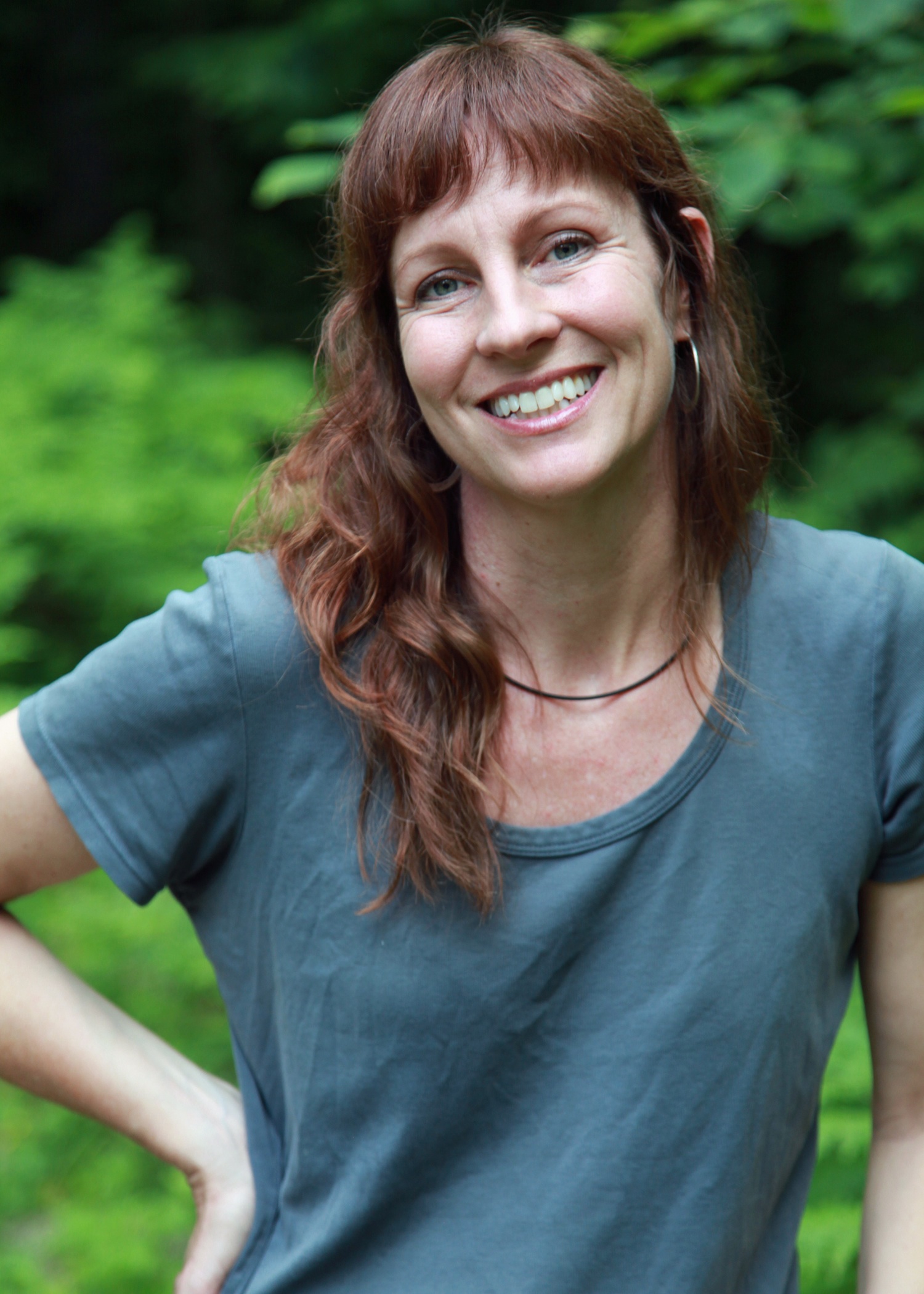
ICOA board member and author, Catherine Taylor
ICOA Celebrates the Life and Work of Polish Poet, Czeslaw Milosz
Ithaca City of Asylum recently co-sponsored two events characterized as “Memories of Milosz” to celebrate the life and work of the Nobel Prize winning poet, Czeslaw Milosz. Milosz lived for many years in the United States while he was in exile from Poland. His work is a powerful example of what would be lost to the world if there were no places of refuge for writers unable to work freely in their native countries—the kind of refuge provided by ICOA.
Czeslaw Milosz in 1986
The first event, which runs from March 2 through April 15, is a photographic exhibit at the Tompkins County Public Library. The exhibit is a photographic record of Nobel poet laureate Czeslaw Milosz’s historic return to Poland in 1981 after 30 years of exile in the United States.
The second event was a reading of selected poems written by Milosz, presented by members of the local Polish and poetry communities in the Borg Warner Community Room of TCPL on Sunday, April 1. The reading inaugurated Tompkins County’s observation of National Poetry Month. During this event, hosted by the library and ICOA, David Ost, Professor of Political Science at Hobart and William Smith Colleges spoke briefly about the importance of Milosz in Polish politics and society, and Pawel Bakowski, owner of the photos and books on display at the library, gave a short account of the story behind his collection. There was an opportunity after the event for attendees to silkscreen and take home a copy of one of Milosz’s poems.
Milosz’s work was banned in Poland until 1980 when he was awarded the Nobel Prize. During that time, Bakowski and other friends in the underground publishing business, known as NOWA, began printing and distributing his work. NOWA members faced political persecution for their actions, but kept Milosz’s work available throughout the country. The library exhibit includes some of the books published by the press during those years, on loan from Bakowski, who is currently employed by the Cornell Institute for European Studies through a community outreach grant funded by the European Union.
Both events are co-sponsored by Ithaca City of Asylum, the Tompkins County Public Library, the Cornell Institute for European Studies, Biblioteka Narodowa (National Library of Poland in Warsaw), and with funding from the European Union Commission to the USA, through the Getting to Know the New Europe outreach project.
New Video Offers Portraits of ICOA Writers
In September 2008, Shaun Poust, then a freshman at Ithaca College, volunteered to help out with ICOA’s Voices of Freedom event, which that year welcomed the group’s new writer-in-residence, Irakli Kakabadze. Something about the work of ICOA and Irakli Kakabadze’s story caught Shaun’s imagination, and three years later, in October 2011, he was back at Voices of Freedom. This time he brought with him Thad Komorowski, another IC journalism major, and a full complement of video equipment. Their goal was a short documentary that would examine the mission of ICOA and convey the spirit of the writers the group brings to Ithaca.
Shaun delivered the finished product, a video co-produced with Thad, on a DVD to Barbara Adams, associate professor in the Ithaca College Department of Writing and a member of the IOCA board of directors. Barbara was the students’ liaison with ICOA and helped them coordinate their work with ICOA activities. What Barbara and ICOA can now share with the Ithaca community is a polished eleven-minute production that offers interviews of three of the writers ICOA has supported––Yi Ping, Sarah Mkhonza, and Irakli Kakabadze. They talk about their lives, their work, and the experience of coming to Ithaca from places where they were not welcome, where they were threatened and harassed and their work was thwarted.
Even those who are very familiar with or involved in ICOA will gain surprising insight from the Poust-Komorowski documentary. Shaun Poust said himself, “The whole process was very surprising. I knew these writers had dynamic personalities and compelling stories, but the video turned out to be more visually interesting than I expected.” One of the things he discovered is how much of a documentary happens on the fly. “You learn things interviewing people that you didn’t expect to learn. What you thought wasn’t going to be interesting turns out to be very interesting. After the fact, you look at your material and you say, ‘Here is where our story is.'”
The ICOA board of directors invites you to share in our story that is so well captured by Shaun and Thad. You can view it online at http://www.youtube.com/watch?v=JLgbULI8_Eg
Far From Home
Both Sarah Mkhonza (Swaziland), ICOA’s resident writer from 2006-08, and Irakli Kakabadze (Republic of Georgia), our resident writer from 2008-2011, participated in the December 8 book launch for Far From Home, an anthology of poetry by some of Ithaca’s resident immigrants from several countries. Tompkins County Poet Laureate Gail Holst-Warhaft produced the anthology, with assistance from Ithaca City of Asylum, to commemorate a reading co-sponsored in May 2011, during Ithaca’s Spring Writes festival.
The theme of the December evening was reflected in the anthology’s title. Sarah read a poem about America, “America, I Saw You,” written by ICOA co-founder Bridget Meeds. Sarah then read a second poem of her own, “Swaziland, I Witnessed You,” responding to Bridget’s poem. Irakli read a new prose piece of his own that reflected on the condition of being in exile. The new anthology and a variety of chapbooks by the writers sponsored by ICOA are for sale at Buffalo Street Books.
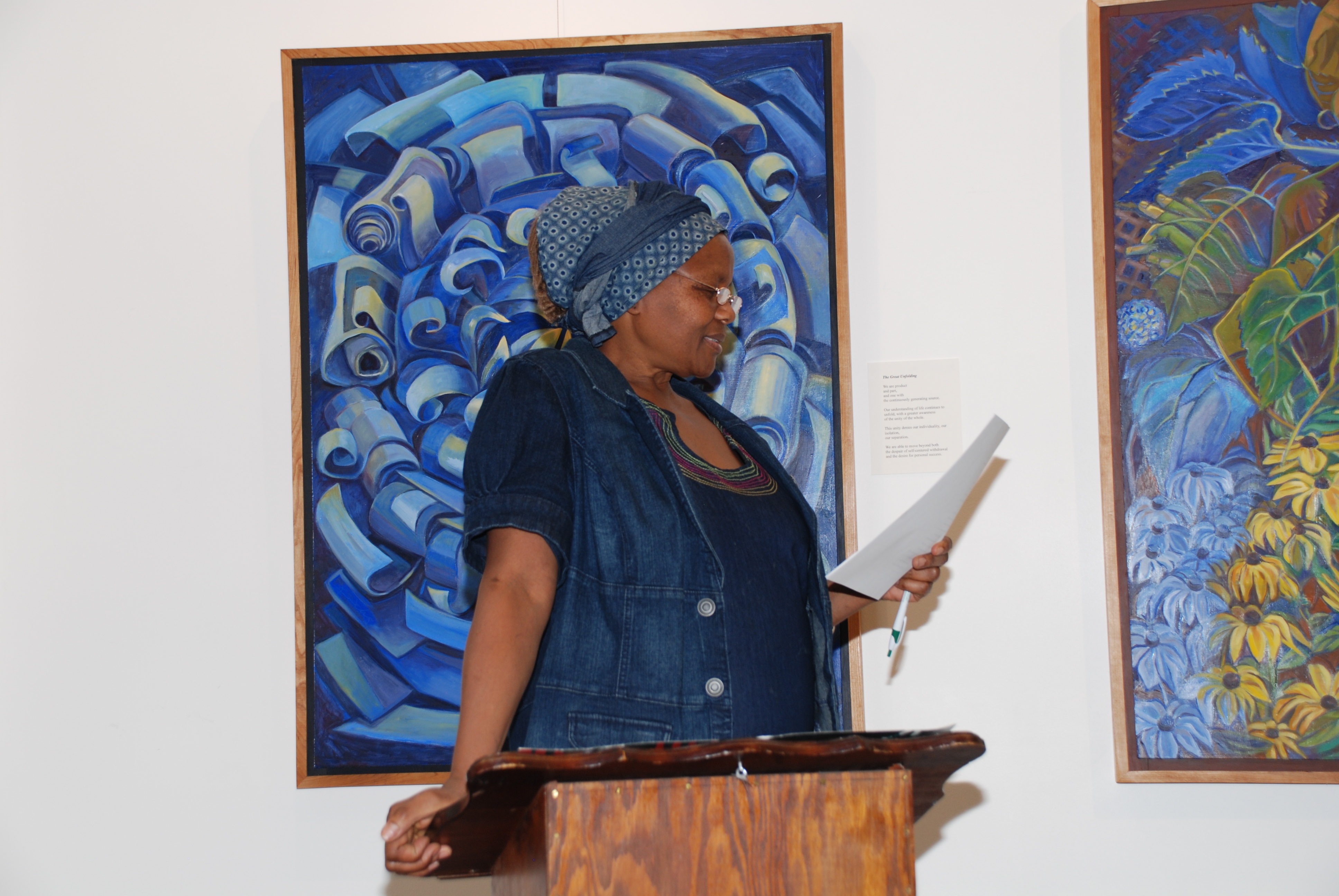
Sarah Mkhonza reading her poem “America, I Saw You” (©William J. Phelan)
Join our mailing list

 Ithaca City of Asylum