Arthur Groys (2024–)
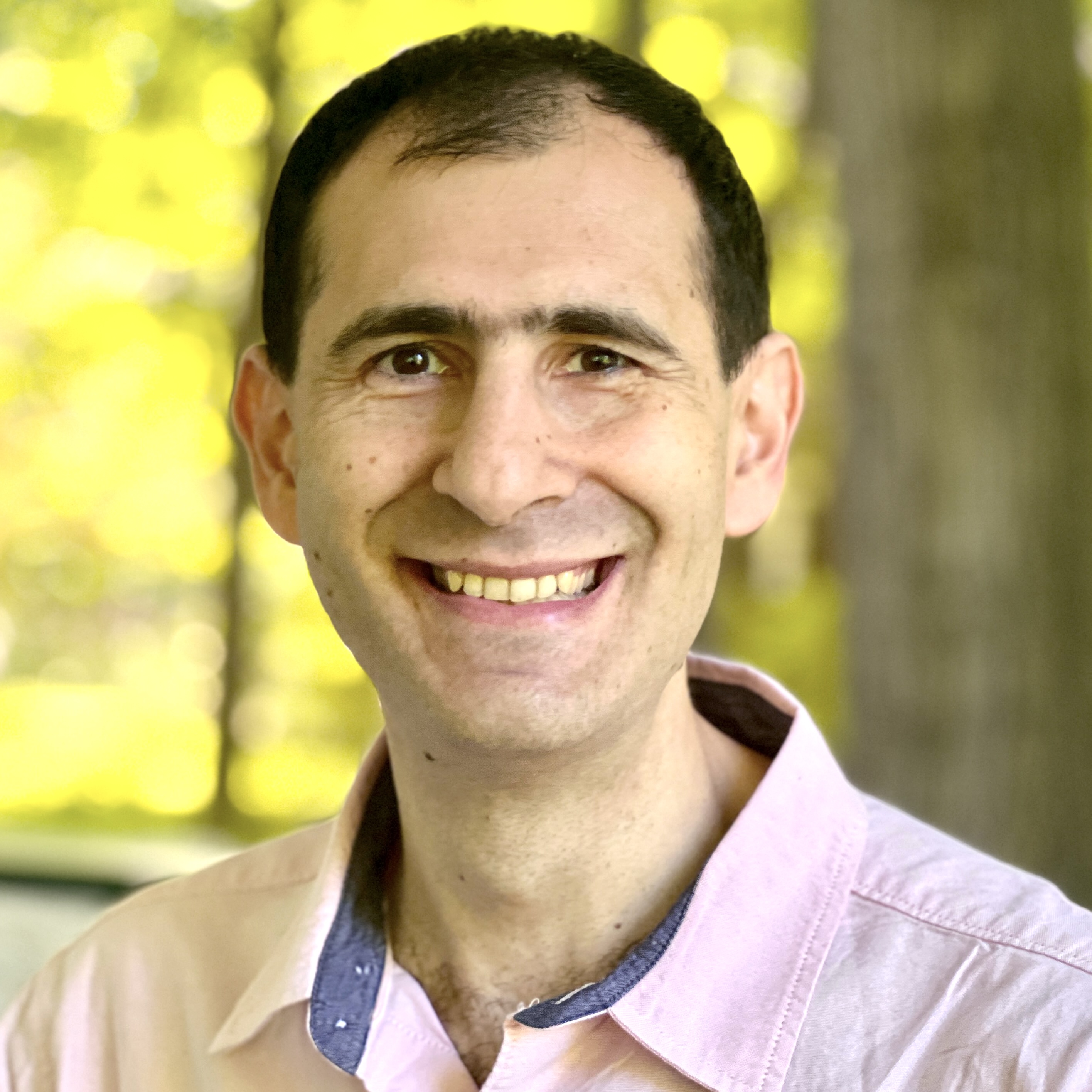
Arthur Groys is a film director and scriptwriter from Russia. He is in Ithaca as an Artist Protection Fund Fellow in residence at Ithaca College and Ithaca City of Asylum (ICOA). Arthur has written for and directed several popular TV and radio shows for children and family audiences in Russia. He has also been an actor, puppeteer, stage director, and acting instructor. In 2022, with the escalation of the Russia-Ukraine War and ongoing political turbulence in Russia, he was awarded an Artist Protection Fund Fellowship and left the country with his wife and son.
Dmitry Bykov (2022–2023)
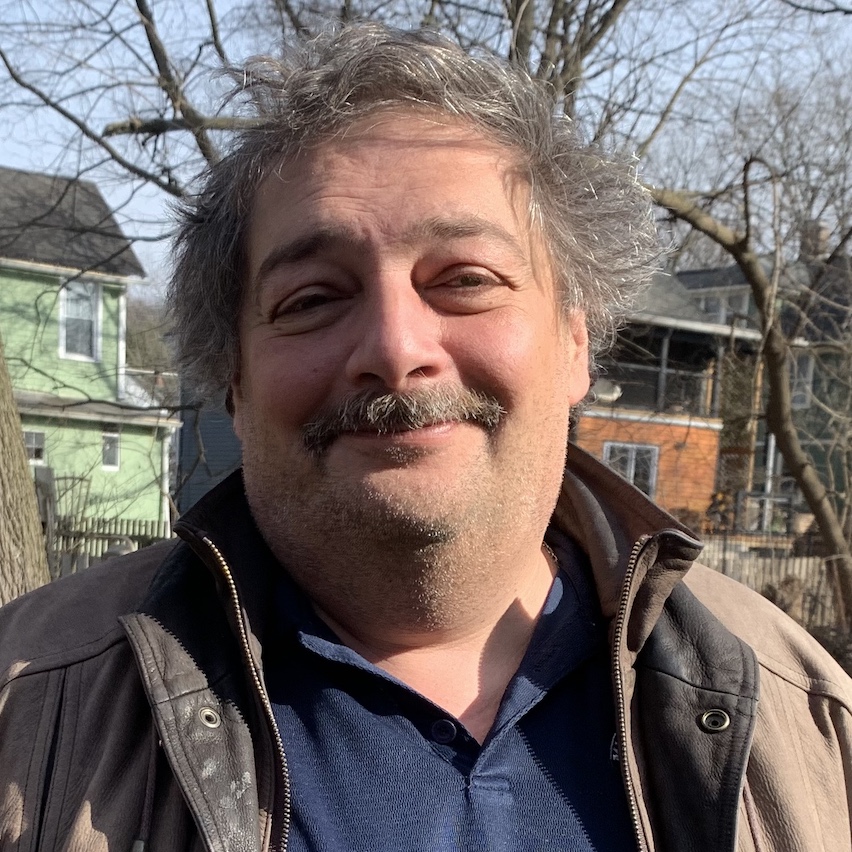
Dmitry Bykov is one of Russia’s best-known public intellectuals. He has written novels, poetry, biographies, and literary criticism, and has served as the host of TV and radio programs. In 2019, he fell ill and spent five days in a coma. An independent investigation concluded that he was poisoned by government agents. He was banned from teaching at Russian universities or appearing on state TV. He was supported in Ithaca by a fellowship from the Open Society University Network. In 2023, he became a visiting professor at the University of Rochester.
Pedro X. Molina (2018–2021)
Pedro X. Molina is a political cartoonist who fled Nicaragua during a crackdown on dissent in 2018. After his ICOA residency at Ithaca College, he was an Artist Protection Fund Fellow in residence at the Cornell Latin American and Caribbean Studies Program. Among his many honors are a Vaclav Havel Award for Creative Dissent, a Gabo Award for Excellence, a Maria Moors Cabot Award from Columbia Journalism School, and the Courage in Editorial Cartooning Award from Cartoonists Rights. He now serves on the ICOA advisory board.
Raza Rumi (2015–2017)
Television host, journalist, and policy consultant Raza Rumi has long been a leading voice for human rights and against extremism in his native Pakistan. He survived an assassination attempt in March 2014 by political Islamists in which his driver lost his life. He has continued to produce essays and editorials for the Pakistani and international press. He is currently director of the Park Center for Independent Media at Ithaca College. He also co-edits the online publication Ideas & Futures and serves on the ICOA board.
Sonali Samarasinghe (2012–2014)
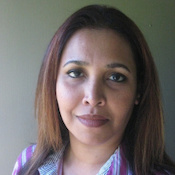
Sonali Samarasinghe is an award-winning journalist and human rights activist from Sri Lanka. Samarasinghe practiced law for twenty years and worked as an investigative journalist focusing on human rights, including government corruption and women’s issues. She fled the country after her husband, a newspaper editor, was assassinated. Now a U.S. citizen, she served for several years as a diplomat in Sri Lanka’s mission to the UN.
Irakli Kakabadze (2008–2011)
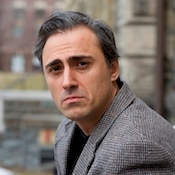
Irakli Kakabadze is a Georgian writer, performance artist, and peace and human rights activist. In January 2007 he was forced to flee with his pregnant wife after receiving anonymous death threats following the publication of a newspaper editorial calling for the government to apologize for the persecution of the people of western Georgia during the 1992-94 conflict in that region.
Sarah Mkhonza (2006–2008)
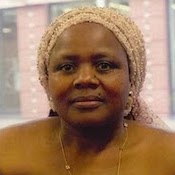
As a professor of linguistics and English in Swaziland, Sarah Mkhonza wrote newspaper columns for The Observer and The Swazi Sun that told of the daily struggles of Swazi women and children ejected from their land. As her popularity grew, she was told to stop writing. Her refusal resulted in threats, assaults, and hospitalization. She finally fled in 2005. Since her residency, she has taught at Cornell, Boston University, and Stanford.
Reza Daneshvar (2003–2006)
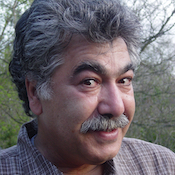
Reza Daneshvar was a playwright and novelist from Iran. He taught and directed theater in Khorassan province before leaving the country in the aftermath of the Islamic revolution of 1979. He spent more than three decades as a writer and teacher in France before coming to the United States. He died in France in 2015 at age 68.
Yi Ping (2001–2003)
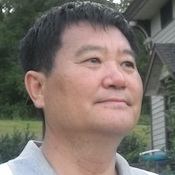
Poet, essayist, and democracy activist Yi Ping was sent from his native Beijing to the countryside, where he met his wife, translator Lin Zhou. After returning to the city, he participated in the Students’ Democracy Movement and was permanently banned from working in education and forbidden to publish his work. In 1991, he fled to Poland, and in 1997, he was granted political asylum by the U.S. government. Yi Ping remained in Ithaca after his residency and currently works as an editor at Human Rights in China.

 Ithaca City of Asylum